


Designed by nature to reduce impact
Our products start with thousands of bee journeys - collecting Manuka nectar from native New Zealand landscapes. The pure glacial water in our products comes from an aquifer beneath Christchurch fed by the Southern Alps. Our botanical blends are powered by plants, and the bees are their pollinators.
Everything we make relies on a healthy and abundant living ecosystem which makes environmental sustainability a non-negotiable part of our existence.
Because without thriving ecosystems, none of this exists.
Why our New Zealand provenance matters
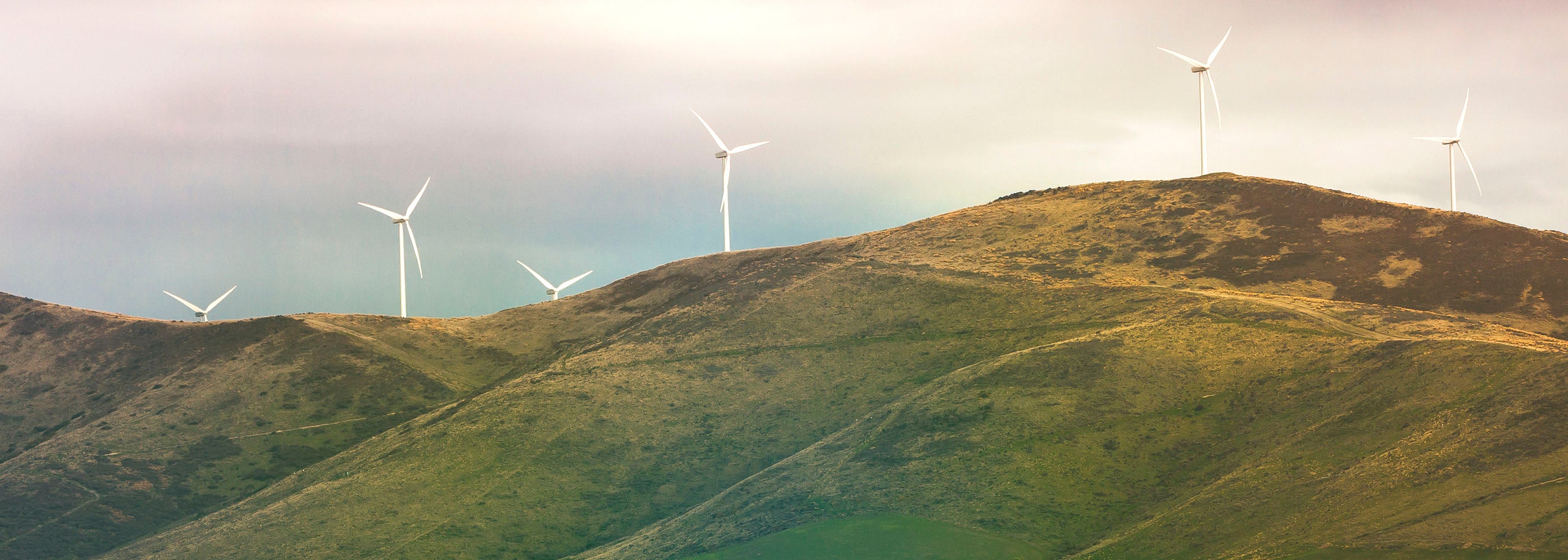
Manuka Honey and pure New Zealand glacial water make our provenance an essential part of our products, and where we produce is an important part of our sustainability commitment.
New Zealand is world-renowned for its clean production and strong environmental regulations in agriculture and production so producing here means starting with a lower-emissions energy system


Fewer steps, lower impact
We focus on simplicity and intent.
- Everything is crafted in one place, our family-run distillery in Christchurch where water used to chill our still is recycled and our botanicals are used to make other products and feed livestock after they have flavoured our drinks
- Ingredients, from the Manuka Honey farmed in New Zealand to the botanicals, are sourced as close to their natural growing regions as possible
- Finished products are moved in bulk rather than in smaller shipments
Fewer steps mean fewer journeys and lower impact.
Designed to reduce impact over distance
To be shared with the world, our products travel from New Zealand. While this distance is visible, it’s not the whole story.
Sustainability is not just about being closer. Impact depends on how something is made, how it moves, and what it is made from.
Sustainability is about being designed better, and that’s how we are building our business ecosystem.

How something travels matters more than how far
How something travels plays a much bigger role in its footprint.
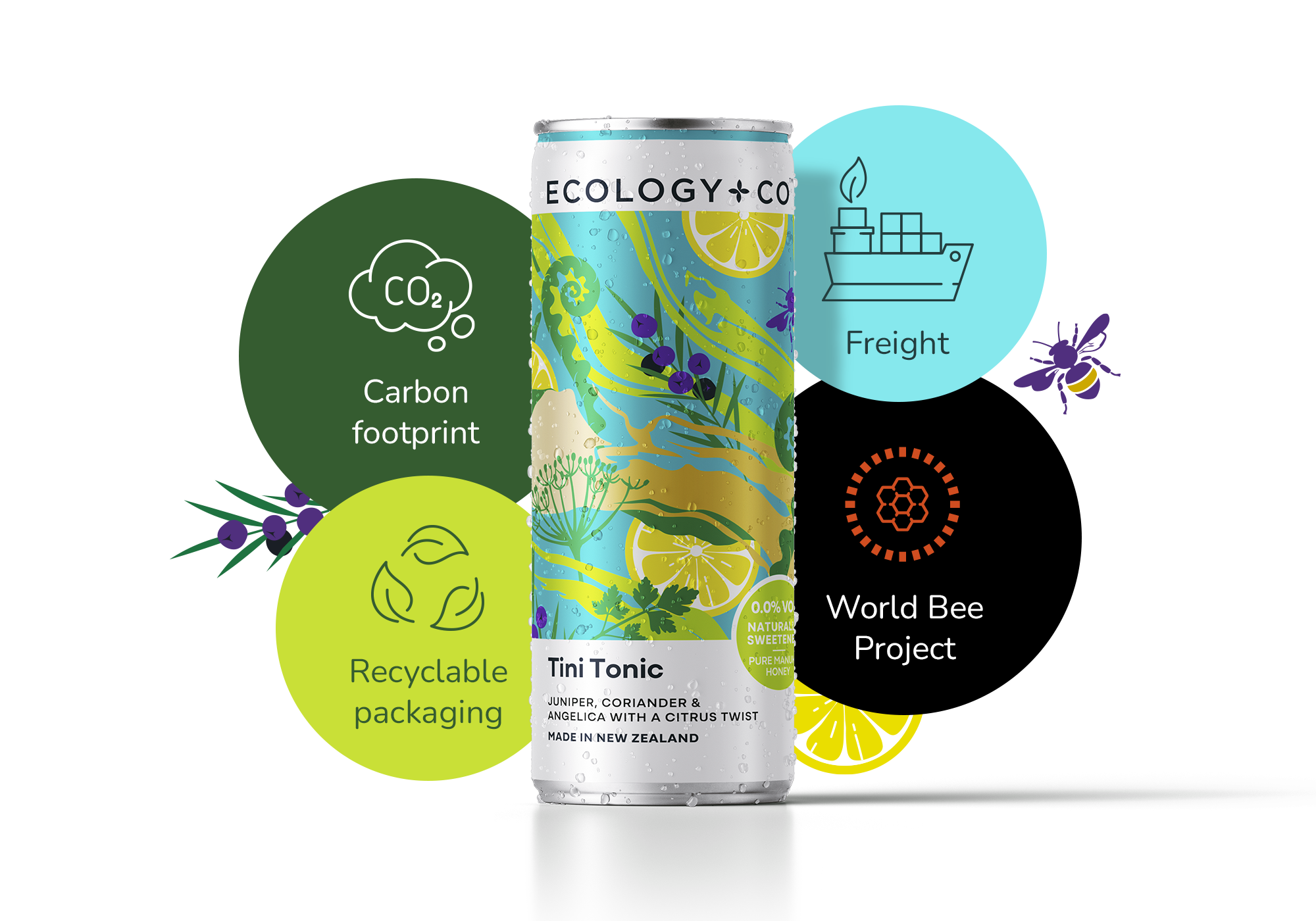
- Sea freight typically produces around 10 to 40 g CO₂ per tonne kilometre
- Road freight typically produces around 100 to 160 g CO₂ per tonne kilometre
- Air freight can exceed 500 g CO₂ per tonne kilometre
We ship in bulk via sea, avoid air freight, and move larger volumes less frequently. Once shipped, products are stored and distributed locally.

The World Bee Project + Ecology & Co
BECAUSE THERE IS NO PLANET BEE
Our ingredients depend on pollination so supporting bee ecosystems is directly tied to the future of what we make.
Our partnership with The World Bee Project is our way of solidifying this commitment. The World Bee Project uses AI and advanced technologies to address pollinator and biodiversity loss and the climate crisis. 1% of every Ecology & Co sales globally go directly to The World Bee Project to fund their work to benefit pollinators, people and the planet.
Every sip you take makes a difference.
Not perfect. Intentional.
We do not claim to have everything solved and we believe in being clear about the trade offs and improving over time.
We are currently working on:
- Measuring our full carbon footprint
- Increasing recycled content and sustainable innovation in our packaging
- Improving distribution efficiency
- Realising the full potential of our environmental partnerships
Ready to try?
Shop our products


